
Browse Exhibits (10 total)

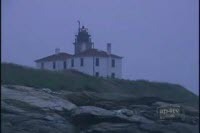
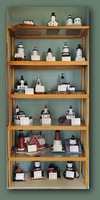
How does a Fresnel Lens Work
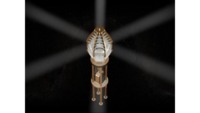
This exhibit uses two short videos to explain how a Fixed and Rotating Fresnel Lens works.
Keeper Dominic Turillo
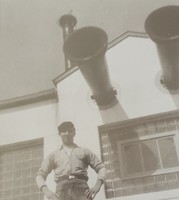
In 1951 Dominic Turillo was transfered from the Rose Island Light to the Beavertail Light Station to take up the position of assistant keeper under Keeper Edward A. Donahue. In 1953 Turillo was promoted to Keeper, a post from which he retired in 1966.
As stated in an article form "The Echo" in August of 1989:
"It (Beavertail) was where he raised his 11 children, where he saw unlucky craft hit the jagged cliffs of this most wonderful piece of Rhode Island coastline, where he painted white the top half of the massive granite lighthouse, and where he watched the changes take place, the kind that would make people like himself, keepers of lighthouses, not only an endangered species, but an obsolete one."

Lighthouse Logs
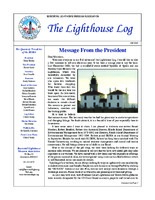
This exhibit gives you access to copies of the Beavertail Lighthouse Museum Association's quarterly Newsletter, the "Lighthouse Log"
The oldest issue in the exhibit is from December of 1986. We are currently missing some issues but are actively tracking down copies to include to make this a complete collection.
An ongoing project for this exhibit is to create a searchable "Table of Contents" for each issue.
We will continue to add to this exhibit as new issues are produced.
This presention is arranged by year of publication.
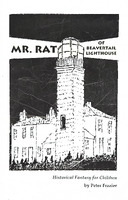
Mr. Rat of Beavertail Lighthouse - A Book by Peter Frazier
During the 18th century, Beavertail Point was recognized as a vital strategic location, guarding the entrance to Narragansett Bay's east and west passages. When the British landed 7,000 troops to occupy Newport in December 1776, they quickly seized control of Conanicut Island as well. For three years, the British utilized the lighthouse to ensure the safe passage of their own naval vessels while local residents fled the island.
The occupation reached a turning point in October 1779. As British forces prepared to evacuate the bay, they enacted a "scorched earth" policy to hinder the American and French fleets. On October 20, 1779, the retreating British set fire to the stone lighthouse tower and its internal woodwork. To ensure the entrance to the bay remained dark and dangerous, they removed and carried away the optics. The resulting fire was so intense that it "shocked" the masonry walls—leaving them permanently warped and prone to leaking for decades to follow.
This exhibit offers a look at how former BLMA Board Member, Lighthouse volunteer and Jamestown resident, the late Peter Frazier shared this history with his grandchildren through his children's book "Mr. Rat of Beavertail Lighthouse". This "historical fantasy" tells the story of "Rat", a smallish brown rodent born at the station who belongs to a long line of "lighthouse rodents".
While Rat spends his nights diligently "trimming the wicks" in the lantern tower to ensure the light burns brightly, the story culminates during that fateful October in 1779. As "Red-Coated" soldiers arrive with torches to destroy his home, Rat finds his true purpose. In a moment of heroism, he uses his unique tail to grip the rope of the "heavy fog bell", sounding a "BONG" that warns the other animals—and the Keeper—allowing them to escape to safety just before the lighthouse is reduced to a "loose pile of stones".

US Lighthouse Society interview with Linda Warner
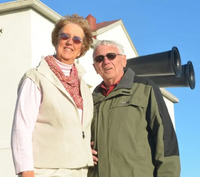
On line podcast interview of BLMA board member Linda Warner by Jeremy D’Entremont.